






Who spoke at Data Day Texas 2026
We are continuing to announce confirmed speakers. However, speaking proposals are now closed. For the latest news, follow us on Linkedin.
Lena Hall (Seattle)

Lena will be presenting the Saturday Data Day Texas session:
Context >Prompts: Context Engineering Deep Dive
Shachar Meir (London)

Shachar will be presenting the Saturday Data Day Texas session:
The $1M Data Professional
Shachar will also host the following Sunday Data Discussion:
How to Elevate your Data and Analytics Teams
Alexandra Pasi (Salt Lake City)
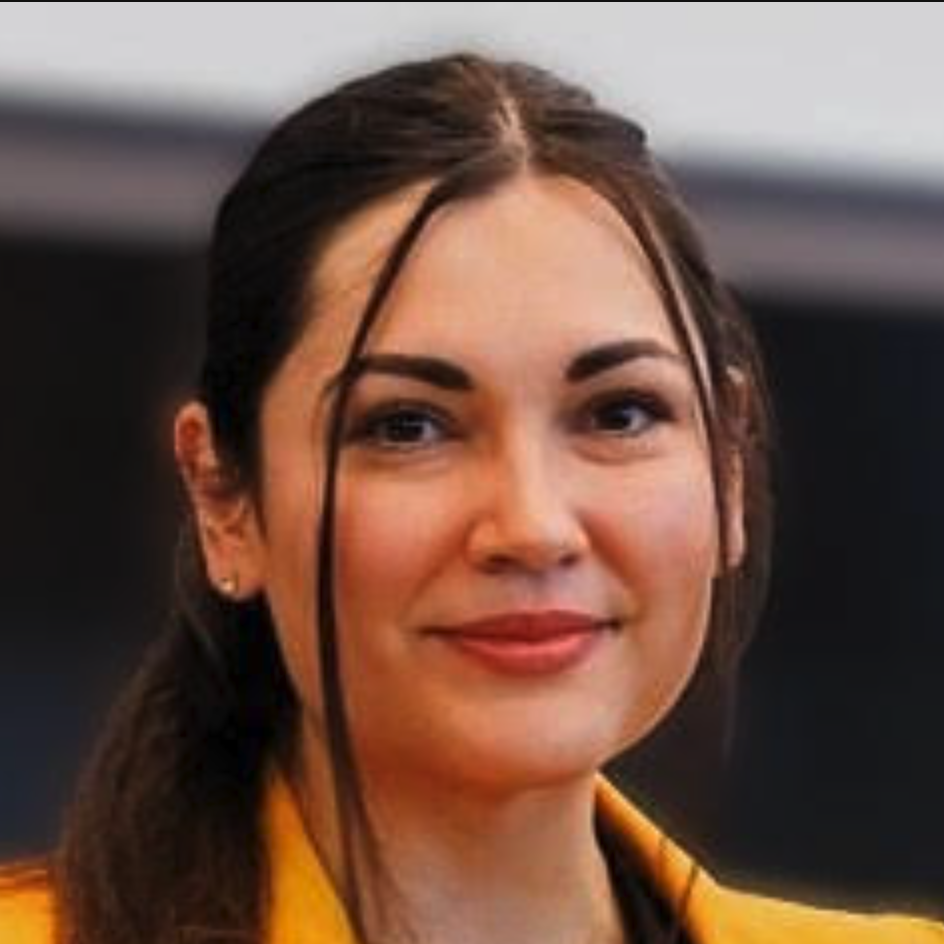
Alexandra will be presenting the following Saturday Data Day Texas session:
Learning Beyond Language: A New Geometric Paradigm for Better ML
Patrick McFadin ( California )
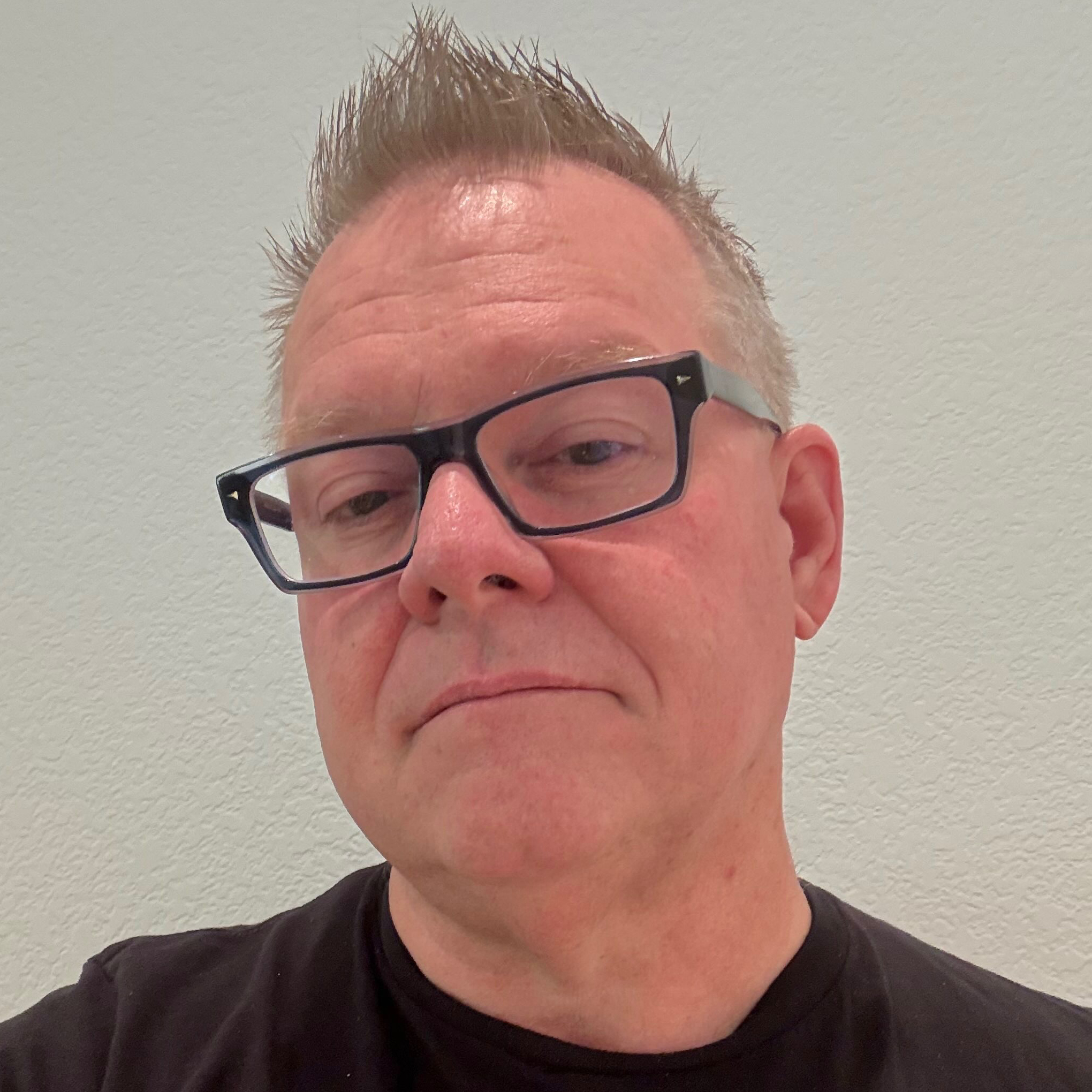 Patrick McFadin is Principal Technical Strategist at IBM, where he works on distributed databases and production AI systems. An Apache Cassandra committer, PMC member, and Apache Software Foundation member, he's been building scale infrastructure for over two decades. He co-authored "Managing Cloud Native Data on Kubernetes" for O'Reilly and previously served as VP of Developer Relations at DataStax, helping organizations build some of the largest Cassandra deployments in production.
I first met Patrick McFadin around 2011 - in the early days of Cassandra and DataStax. He was still at Hobsons then, and gave a presentation comparing Cassandra to Oracle that had the room both learning and laughing—his metaphors were that good. DataStax co-founder Matt Pfeil worked hard to recruit him, and succeeded. Over the years I've watched Patrick work behind the scenes—smoothing over disputes in the Cassandra community, helping people with good ideas bring them to fruition. No one better personifies the DeMarco and Lister "Peopleware" idea of a catalyst than Patrick.
—Lynn Bender
Patrick will be presenting the Saturday Opening Session:
The Skills that Matter When Everything Changes
Hannes Mühleisen (Amsterdam)
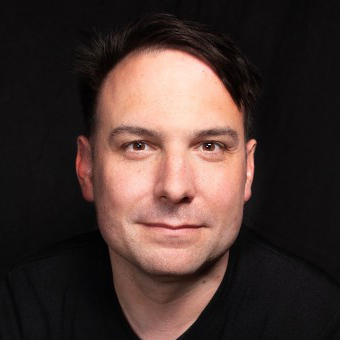
Hannes will be presenting the following Saturday Database Keynote:
The Joy of SQL - If Properly Implemented
Kierra Dotson (Austin)
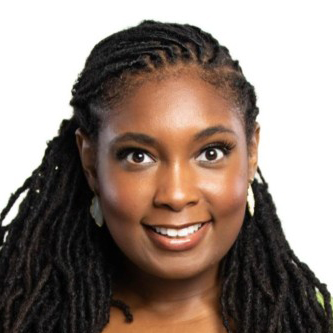
As the CEO and founder of The Data Bloq, Kierra provides cutting-edge data and GenAI strategy consulting, empowering organizations to harness the full potential of their data assets. Her impact extends far beyond corporate environments; Kierra has conducted over 150 tech consultations and resume revamps via The Data Bloq, helping professionals secure over $250,000+ in salary increases. Follow Kierra at The Data Conversationalist.
Kierra will be presenting the following Data Day Texas session:
The Engineer’s Guide to AI Strategy: Bridging the Gap Between Business and Technical Reality
Mark Freeman (Sacramento)
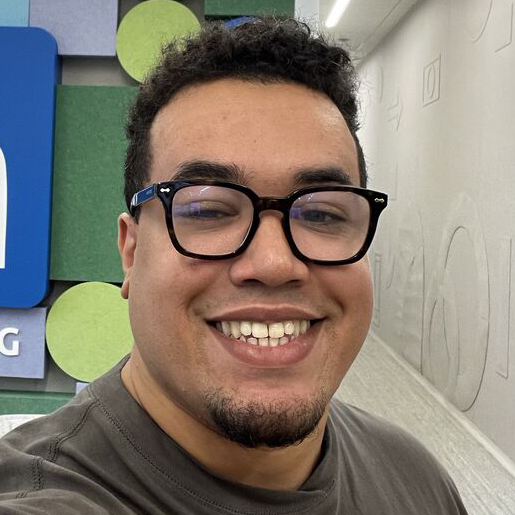 Mark Freeman (Linkedin) is a data scientist turned data engineer with a deep obsession for data quality. As the Tech Lead at Gable, Mark builds internal systems and data products that drive go-to-market strategies, leveraging his extensive experience in creating robust, scalable data solutions. He is also the first employee at Gable where he aims to help bring a data contract solution to market. Mark is co-author of the upcoming O’Reilly book: Data Contracts, in which he shares insights and best practices on ensuring reliable, high-quality data flows within organizations. With a passion for turning complex data challenges into actionable solutions, Mark is committed to advancing the field of data engineering and fostering a culture of trust in data across the industry. Check out Mark's courses on Linkedin Learning.
Mark will be presenting the following Saturday Software Engineering Keynote:
Code: The Untapped Metadata Source Driving Most Data Failures
Mark will also lead the following Sunday Workshop:
Implementing Your First Data Contract
Clair Sullivan (Breckenridge, Colorado) @cjlovesdata1
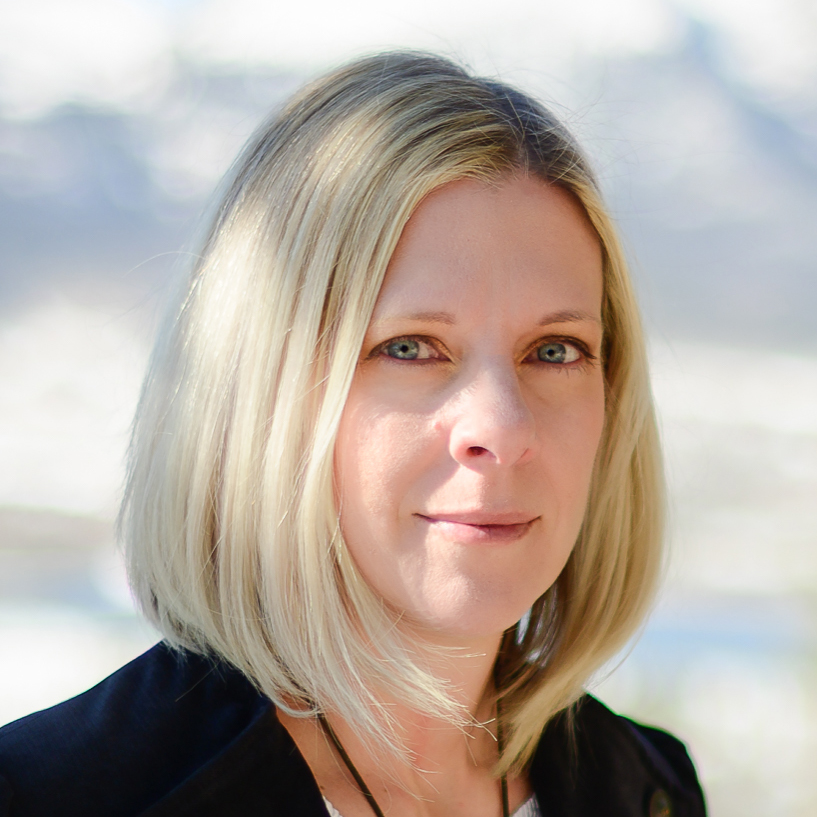
Clair will be presenting the following Saturday Data Day Texas session:
Your Skills, Your Business: Layoff-Proof Your Career through Solopreneurship
Clair will also lead the following Sunday Workshop:
Build Your Solopreneur Roadmap: A Workshop for Data Professionals
Data Governance Keynote
Winfried Etzel (Stavanger, Norway)
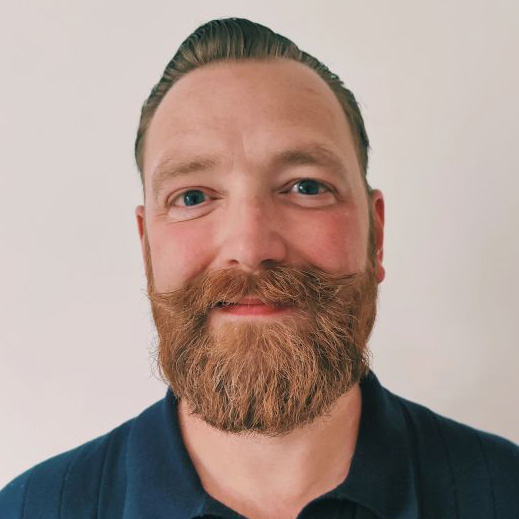 An increasingly prominent voice in the global data community, Winfried Etzel champions Data Governance, Data Strategy, and organizational design. Through his #MetaDAMA podcast and his work building the Nordic data community, Winfried drives professional development across the region. His upcoming book, «Data Governance in the Wild», explores how Data Governance must evolve for distributed landscapes, automation, and AI.
Catch Winfried's insights on the Data Democracy Podcast, Catalog and Cocktails., and his A Journey around the World of Data with Joe Reis.
Winfried will be presenting the following session:
Existence over Essence? Data Governance in times of AI
Thais Cooke (Raleigh-Durham-Chapel Hill)
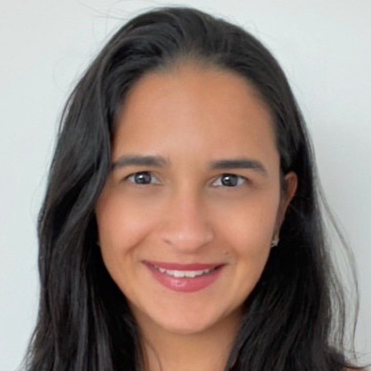
Thais has shared insights on popular industry podcasts including Data Podcast for Nerds!, Mavens of Data, and How to Get an Analytics Job, and has been featured as a speaker at MDS Fest. Thais is dedicated to making data accessible, focusing on practical solutions that connect technical concepts with real-world applications. When not immersed in datasets and visualizations, Thais can be found buried in books, writing, experimenting with new recipes in the kitchen, or enjoying family time.
Thais will be presenting the following Saturday Data Day Texas session:
The Human Layer of Data: Why Trust Lives in the Work Behind the Numbers
Bill Inmon (Castle Rock, Colorado)
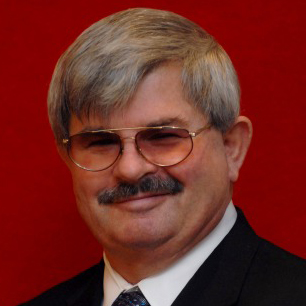
Bill will be presenting the following Saturday Data Day Texas session:
Generative AI and Business Value: Why Corporate Deployment Falls Short
Bill will also join Joe MF Reis for the following Sunday Data Discussion:
A Bill Inmon Ask Me Anything - with Joe MF Reis
(You must have a Sunday ticket for this)
Sarah McKenna (NYC)
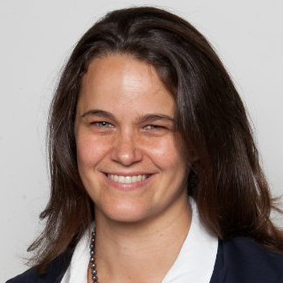
A Georgetown University graduate, Sarah began her career in finance before pivoting to technology, where she developed deep expertise in quality assurance and large-scale, data-driven automated operations. Her leadership has been instrumental in Sequentum's evolution from a web scraping tool provider to a comprehensive data solutions company, culminating in the recent launch of Sequentum Cloud, their next-generation PaaS platform for web data extraction.
Sarah has guided several notable data technology companies to successful acquisitions, including Summit Systems (acquired by Misys), Vitech (acquired by CVC Capital Partners), and Massive Incorporated (acquired by Microsoft). Her focus on establishing ethical standards and best practices in web data collection has helped shape the rapidly evolving alternative data marketplace.
Sarah will be co-presenting the following Saturday Data Day Texas session:
Web Scraping's 25-Year War: From HTML Parsing to AI That Builds Itself
Jenna Jordan (Ashville)
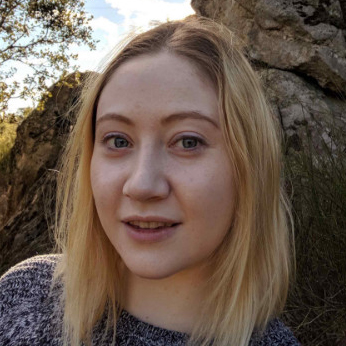
During her time as a senior consultant at Analytics8, Jenna developed particular expertise in dbt Mesh architecture and the governance strategies that accompany it. Her experience working with dbt Mesh led to a peer exchange session at Coalesce 2024, where she helped attendees explore governance challenges through a role-playing simulation game. Jenna spearheaded the adoption of dbt at the City of Boston Analytics Team, where she architected and built the project and from scratch, and reorganized the data warehouse.
An occasional blogger on topics like analytical data warehouses and data engineering best practices, Jenna is also a passionate community builder and founder of the City Analytics Exchange, a network for data analytics practitioners in local government. When not transforming data, she's a knitter, board gamer, and dog mom.
Jennifer will be co-presenting the following Saturday session:
Think Like a Librarian: Fresh Perspectives for Data Teams from a Time-Honored Tradition
MF Joe Reis (Salt Lake city) @joereis
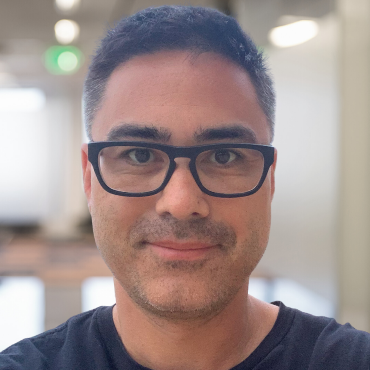
Joe and Matt Housley will co-host their annual Data Town Hall at 5pm Saturday
Dylan Anderson (London)
 Dylan Anderson is the Head of Data Strategy at Atombit and a leading voice in the Data Strategy space. As an experienced consultant, he focuses on helping large and small companies bridge the gap between data and strategy. Over his career, he has worked for Deloitte, Accenture, and multiple boutique consultancies, giving him experience helping over 40 clients across dozens of industries understand how to approach data from a more strategic, value-led perspective.
Dylan’s new fascination is with popularising the concept of the Data Ecosystem, bringing it beyond its previous technologically-focused definition and reframing it to include all the considerations data teams need to keep in mind. This has led to a rapidly growing Substack newsletter exploring each domain of the Data Ecosystem, with a holistic outlook and a focus on the ‘so what’ implications that data professionals often gloss over. With this viewpoint, Dylan doesn’t focus on one data domain, but on all of them, trying to explain the interdependencies and strategic value of taking a more generalised approach. Dylan has also spoken at conferences and maintains a significant presence on LinkedIn, with ~50k followers. He also wears a lot of bow ties and loves data memes!
Dylan will be presenting the following Data Day Texas (Saturday) session:
Beyond the Tech Stack: Navigating the Complete Data Ecosystem
Matthew Mullins (Raleigh-Durham-Chapel Hill)
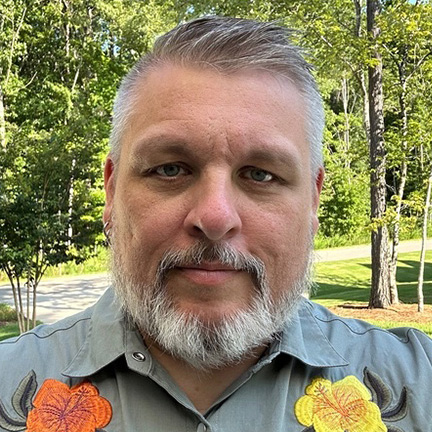
Matthew will be presenting the following session:
DataOps Is Culture, Not a Toolchain
Chris Brousseau (Salt Lake City)

Chris will be presenting the following Data Day Texas session:
Local AI Saves People (Not Clickbait)
Russell Spitzer (New Orleans)
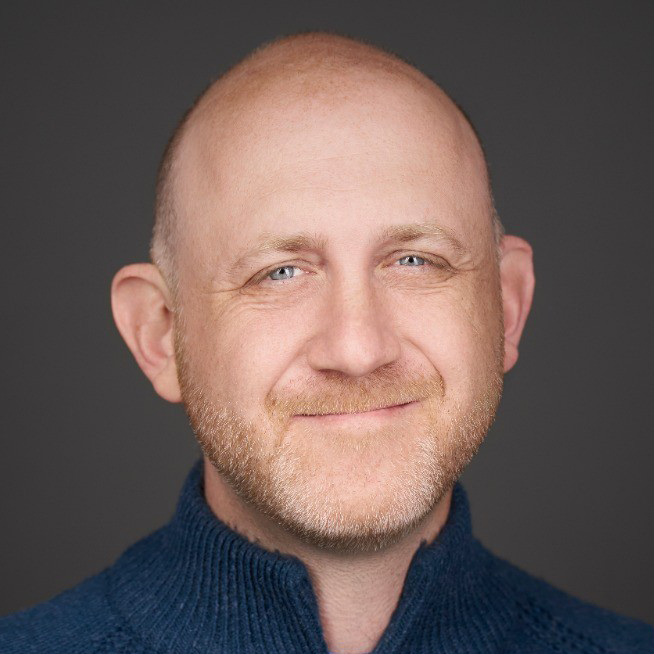
#lakehouse #systems
Russell will be presenting the following Data Day Texas session:
What Apache Iceberg is Bad At …. For Now
Paul Blankley (Denver)
 Paul Blankley (Linkedin) has a master’s degree from Harvard in AI and is Co-founder and CTO of Zenlytic. He has over nine years of experience in data & AI.
Paul and his co-founder Ryan Janssen started building Zenlytic in 2020, before ChatGPT existed, betting that large language models represented a fundamental platform shift in analytics. They set out to solve the last-mile analytics problem by creating an AI that could genuinely understand business context and answer questions like a mid-to-senior level data analyst. The company has raised $14M across three rounds. Most recently, M13 Ventures led their Series A, with backing from Bain Capital Ventures, Primary, and others.
When not building the future of analytics, he's rock climbing and snowboarding in the mountains around Denver, Colorado.
Paul will be presenting the following Data Day Texas Saturday session:
Agents are eating the semantic layer
Matthew Sharp (Salt Lake City)
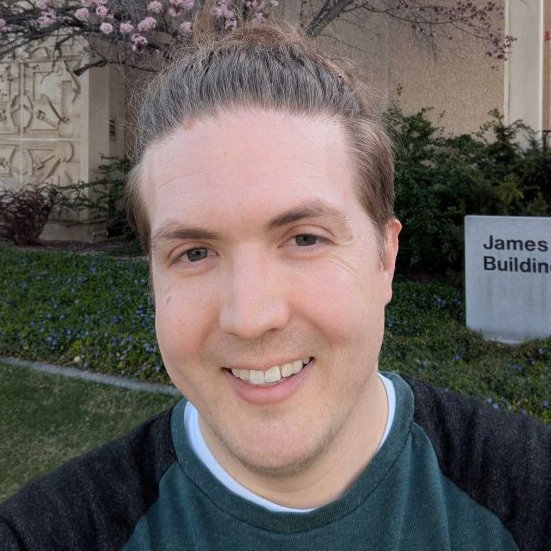 Co-author of LLMs in Production (Manning), Matthew Sharp (Linkedin) is a seasoned expert in the world of machine learning and artificial intelligence. With over 10 years of experience, Matthew has worked across the entire ML/AI spectrum—from data science to MLOps infrastructure—deploying models to production and building the tools and platforms to support them. Currently, Matthew is an AI Engineer at Flexion, where he leads the advancement of Flexion’s AI application development, with a focus on Generative AI. He also teaches a graduate-level course on the development, deployment, optimization, and real-world applications of large language models (LLMs) at Utah State University. Matthew will be appearing as part of the #SLCdata invasion.
Matthew will be presenting the following Data Day Texas session:
How to Hack An Agent in 10 Prompts: and other true stories from 2025
Arvind Prabhakar (SF Bay) @aprabhakar
Arvind will present the following Data Engineering session: I Built Pipelines. I Don’t Trust Them Anymore..
Sanjeev Mohan (San Francisco)
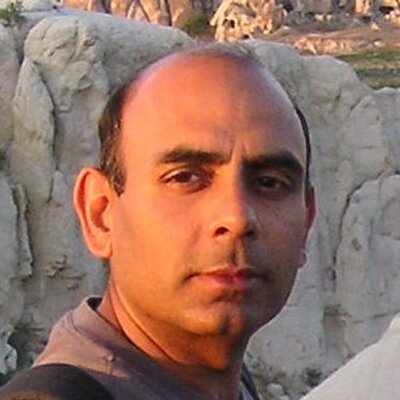
Sanjeev will be presenting the following Data Day Texas session:
2026 Trends: Building Foundations That Endure
Adriano Vlad-Starrabba (London)
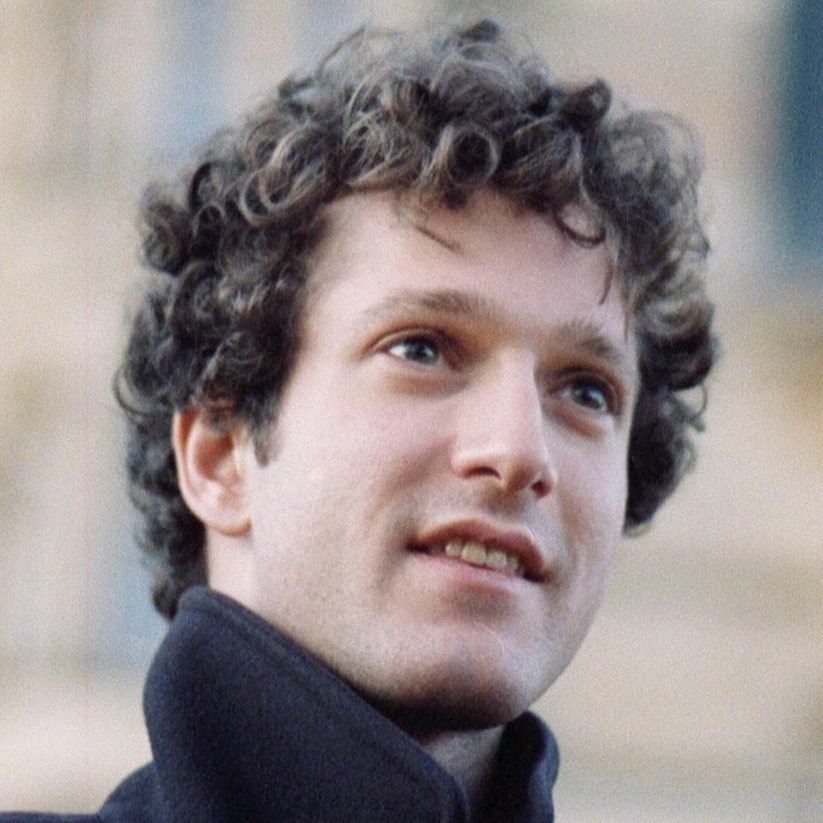
Adriano will be presenting the following Saturday Data Day Texas session:
The Enterprise of the Future Runs on Ontologies: Making AI Agents Actually Work
Data Visualization Keynote
Christian Miles (Vancouver Island)
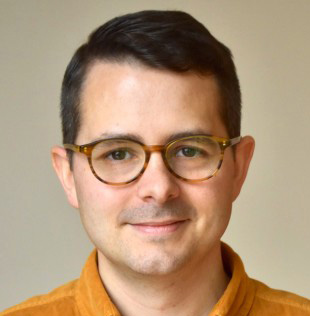 Well known for his widely-read graph visualization newsletter source/target (2021-2024), Christian Miles (Linkedin) specializes in graph database visualization and analytics. Since completing his Masters in Mathematics and Computer Science from the University of Bristol, his work has spanned fraud detection, cybersecurity, and law enforcement at BAE Systems, Wynyard Group, and Cambridge Intelligence.
Christian recently joined the red-hot graph visualization company G.V() - answering the question many in the graph community had been asking (where's Christian going). Christian is a big picture guy with a reputation for simplifying the complex. If your work intersects with either graph or visualization - don't just attend his talk. Reach out and schedule time to meet with him in person.
Christian will be presenting the Saturday Data Visualization Keynote:
"Who Needs a Chart When You Can Just Chat?" - the role of data visualization in a post-LLM world
Glauber Costa (Dallas)
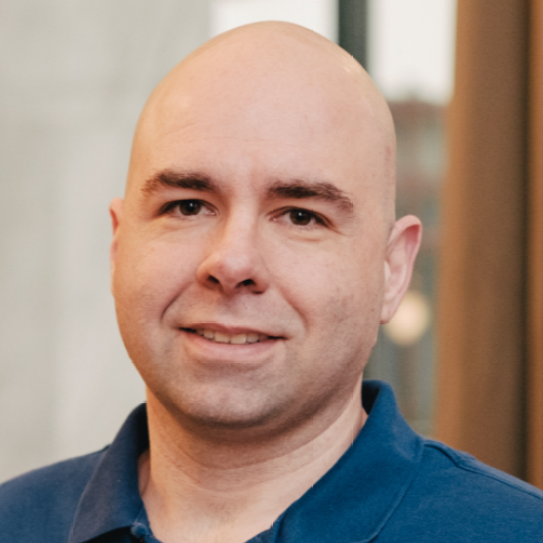 Glauber Costa (Linkedin) first spoke at Data Day Texas in 2018, and people have been asking us to invite him back ever since. Currently the founder and CEO of Turso, Glauber is leading the effort to build the next evolution of SQLite - in Rust.
Before founding Turso, Glauber spent over 20 years in systems programming: as a Staff Software Engineer at Datadog (where he authored the Glommio Rust async executor), Distinguished Engineer at ScyllaDB (designing core database features during its evolution from concept to production-grade Cassandra alternative), and as a core contributor to the Linux Kernel at Red Hat, focusing on virtualization, storage, and containers.
Glauber Costa (Linkedin) first spoke at Data Day Texas in 2018, and people have been asking us to invite him back ever since. Currently the founder and CEO of Turso, Glauber is leading the effort to build the next evolution of SQLite - in Rust.
Before founding Turso, Glauber spent over 20 years in systems programming: as a Staff Software Engineer at Datadog (where he authored the Glommio Rust async executor), Distinguished Engineer at ScyllaDB (designing core database features during its evolution from concept to production-grade Cassandra alternative), and as a core contributor to the Linux Kernel at Red Hat, focusing on virtualization, storage, and containers.
At Turso, Glauber also leads the development of libSQL—an open-contribution fork of SQLite with 12,000+ GitHub stars—and its namesake database, Turso, a complete rewrite of SQLite in Rust with deterministic simulation testing built in from the ground up. Turso powers production workloads for Astro DB, Val.town, and installations like U2's immersive experience at The Sphere in Las Vegas. The company has raised $7M from Norwest Venture Partners and is backed by a roster of infrastructure-focused investors.
Glauber is known for making complex distributed systems concepts accessible and for his pragmatic approach to evolving foundational technology without breaking compatibility.
Glauber will be presenting the following Data Day Texas session:
We're Rewriting SQLite in Rust. Here's Why That's Not Crazy.
Trey Blalock (Portland)
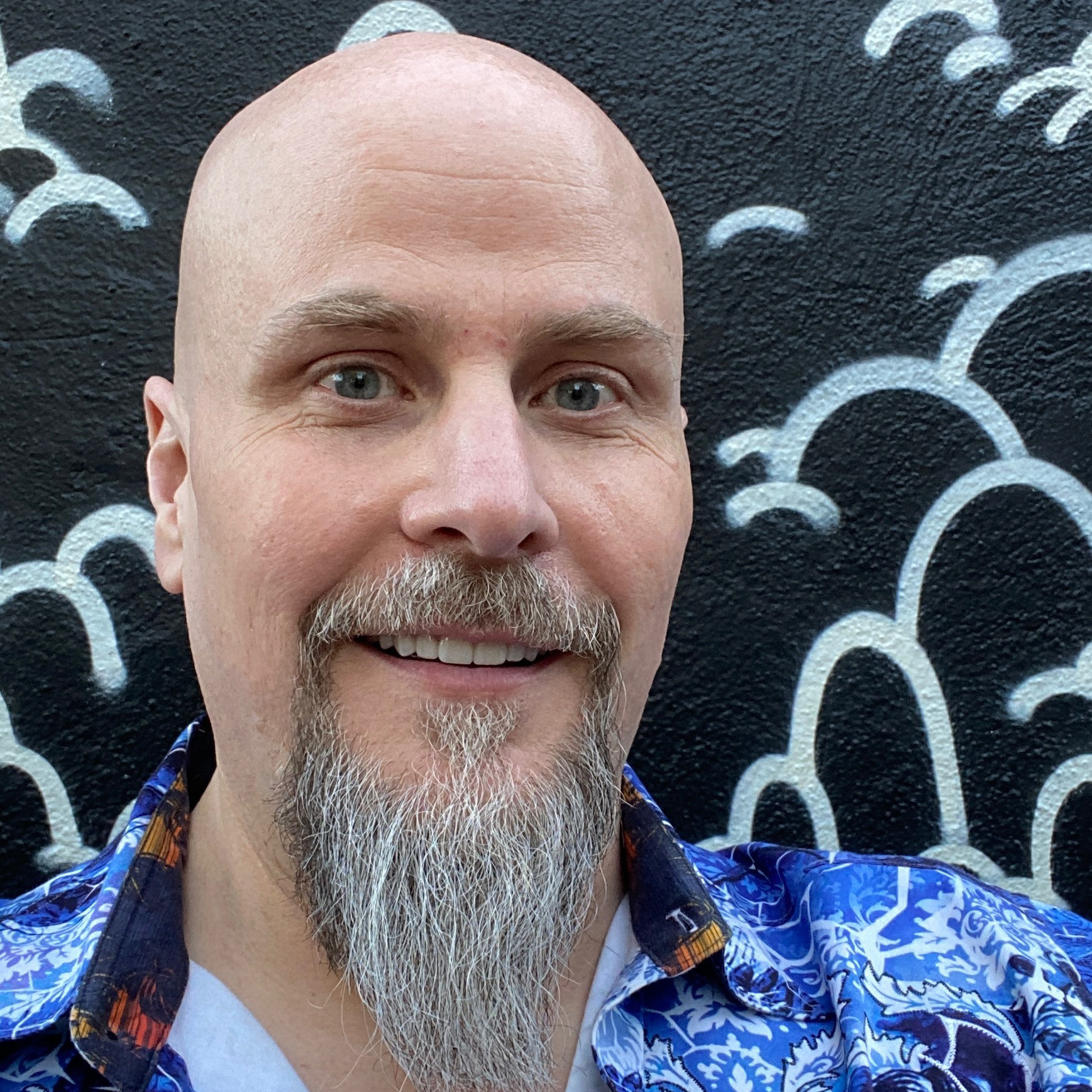 A highly respected Chief Information Security Officer and security researcher, Trey Blalock (Linkedin) has performed extensive work in almost every security domain for some of the world's largest corporations and governments. Trey has trained thousands of people on advanced security topics, and has taught security classes at many organizations - including AT&T, BCBS, BECU, CIA, CISA, DHS, DIA, FBI, IBM, NSA, RCMP, T-Mobile, U.S. Air Force, U.S. Army, U.S. Marines, U.S. Navy, U.S. Secret Service. He has served as a Computer Forensic Expert Witness for the U.S. Department of Justice on multiple cases, including handling all aspects of computer forensics on some high-profile cases such as "Donald Vance vs. Donald Rumsfeld," "John Doe vs. Donald Rumsfeld" and "American Boat Company vs. United States.
As Chief Information Security Officer for Coinstar, Trey managed several teams across multiple projects during a major overhaul of the company's infrastructure, architecting significant changes to protect over 25,000 kiosks and data operations on several cloud platforms, reducing the attack surface by more than 95%.
Trey also specializes in defending large-scale systems from advanced threat actors, and currently serves on several forensic, red teaming, and penetration testing advisory boards. Through his consulting practice, Verification Labs, Trey has managed hundreds of security events for companies, including dozens of ransomware events, security breaches, denial-of-service attacks, and over one hundred forensic incidents.
Trey will be presenting the following Data Day Texas session:
The Weaponization of AI, Its Impact on Organizations, and How to Respond.
Weimo Liu (Sunnyvale)
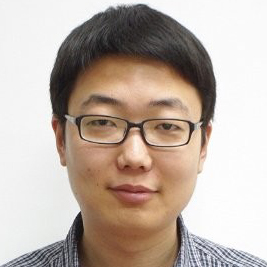
Weimo will present the following Saturday Data Day Texas session:
Context Trace/Graph: Observability for AI Agents
Arthur Bigeard (Glasgow, Scotland)
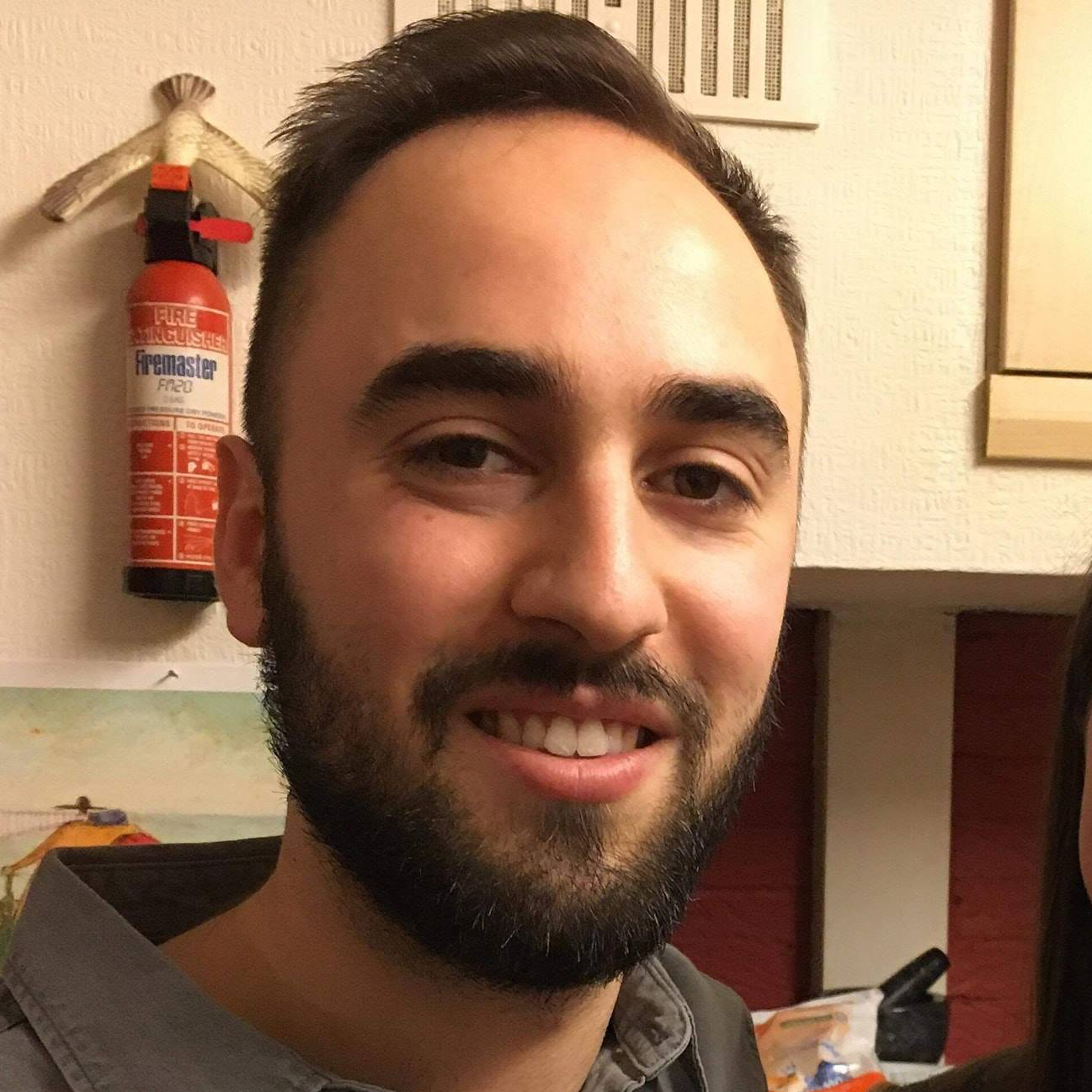
And so G.V() was born.
Arthur will present the following Saturday Data Day Texas session:
Building G.V(): Why Graph Databases Desperately Need Better Tools
Aaron Black (Indianapolis)
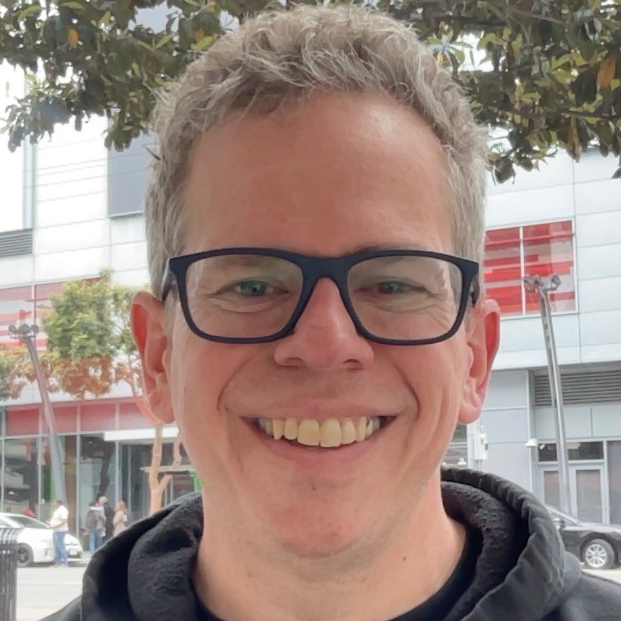 Aaron Black has spent the last 25+ years building the learning products you’ve probably used to level up—leading content innovation at O’Reilly, Springer Nature, Wiley, and Pearson. As a content strategist and platform builder, he’s helped bring thousands of technical books, courses, and videos to market, working directly with engineers, data scientists, and subject matter experts to translate deep expertise into impactful learning experiences.
If you’ve ever thought about writing, teaching, or scaling your knowledge for a broader audience, Aaron’s the person to talk to. He knows how to turn real-world experience into publishable, teachable, high-impact content. And he’s always scouting for the next great voice.
Aaron will be presenting the Saturday Data Day Texas session:
How Ideas Become Books: Inside O'Reilly and Data Thought Leadership
Shane Gibson (London)
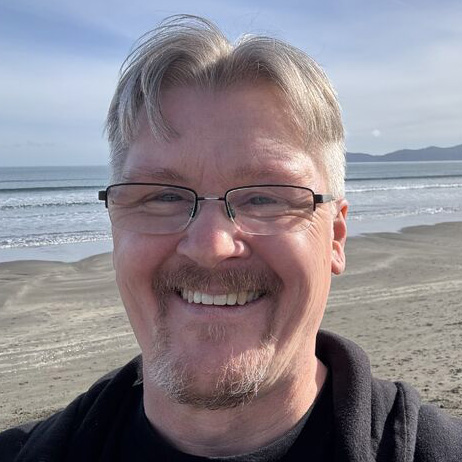
Aaron will be presenting the Saturday Data Day Texas session:
How to gather data requirements in 30 minutes or less - the Information Product Canvas
Jon Haddad (Redondo Beach)
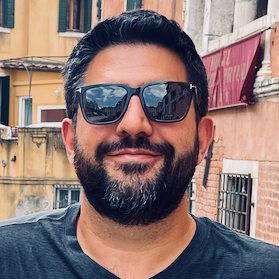
Jon will be presenting the following Data Day Texas session:
Stop Guessing, Start Measuring: A Decade of Database Experimentation and Tuning
Jonathan Ellis (Austin) @spyced

Seeing the promise of coding with AI while building JVector, and experiencing the frustration of seeing the same tools completely fail with Cassandra (a 10x larger codebase), Jonathan was motivated to create Brokk - a tool to tame large codebases for AI.
Jonathan will be presenting the following Saturday session:
Brokk: Context Engineering for Large Codebases
Juan Sequeda (Austin) @juansequeda
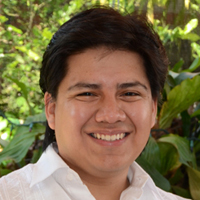
Juan has researched and developed technology on semantic data virtualization, graph data modeling, schema mapping and data integration methodologies. He pioneered technology to construct knowledge graphs from relational databases starting in the mid 2000s, resulting in W3C standards, research awards, patents, software and his startup Capsenta acquired by data.world in 2019. Juan strives to build bridges between academia and industry as former co-chair of the LDBC Property Graph Schema Working Group, member of the LDCB Graph Query Languages task force, standards editor at the World Wide Web Consortium (W3C). Juan continues to be an active member of the scientific community through academic research partnerships, advising students, and member of data and AI scientific conference committees.
Juan will be presenting the following Saturday Data Day Texas session:
Scar Tissue: Lessons from 20 Years of Building Ontologies and Knowledge Graphs
Alex Merced (Winter Park, FL) @alexmerced
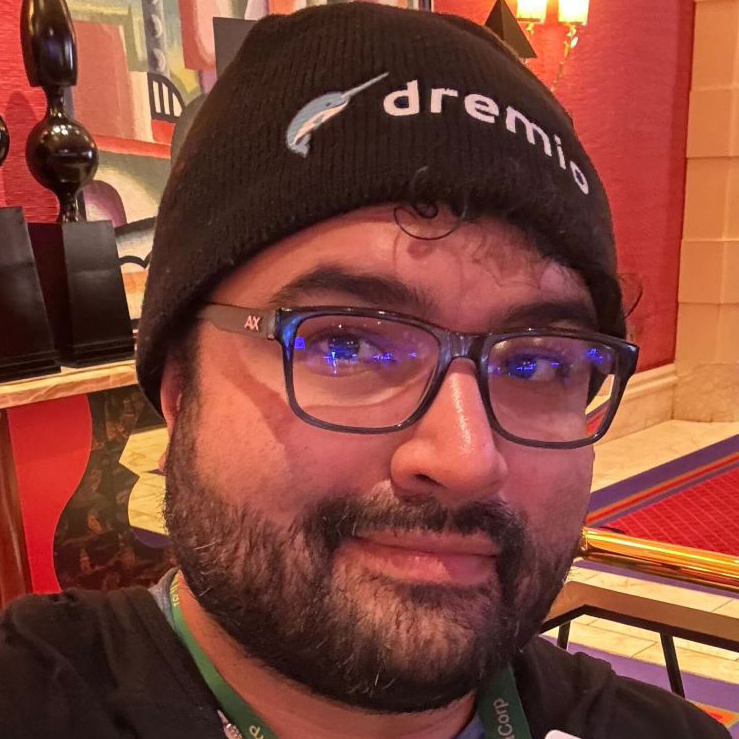 Alex Merced (Linkedin) has a history of creating content to enable developers of all types through his personal projects like DevNursery.com, The Web Dev 101 Podcast, and the DataNation podcast. Currently Head of DevRel at Dremio, Alex has held positions with companies like Crossfield Digital, CampusGuard, GenEd Systems and others along with being an Instructor for General Assembly Bootcamps. Alex is co-author of Apache Iceberg: The Definitive Guide and the upcoming Apache Polaris: The Definitive Guide, both from O'Reilly.
#oreilly-showcase
Alex will be presenting the following Saturday Data Day Texas session:
Designing an Apache Iceberg Lakehouse: From Requirements to a Stakeholder-Ready Architecture
Jean-Georges Perrin (Albany, New York) @jgp
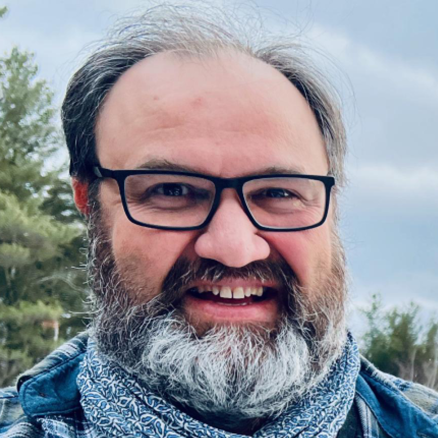
Principal Enterprise Data Architect at Expedia, and Group Intelligence Platform Lead at PayPal, Jean-Georges is currently Senior Product Manager at Actian. In addition, Jean-George is Chair of the Technical Steering Committee for Bitol, which works toward an Open Data Contract Standard.
Jean-Georges is author of Spark in Action from Manning, and co-author Implementing Data Mesh from O'Reilly. Check out his thoughts on Data Mesh at Youtube
Jean-Georges will be presenting the following Saturday Data Day Texas session:
Hands-on Data Product: let's build a data product in 30 minutes
Matthew Housley (Salt Lake city)
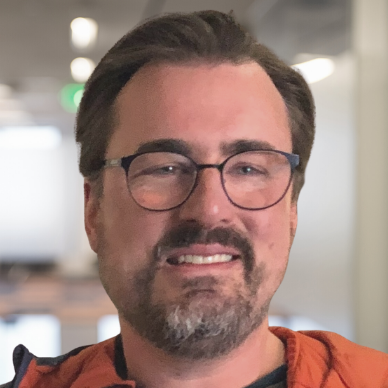
Matt and Joe Reis will co-host their annual Data Town Hall at 5pm Saturday
Jonathan Mugan (Austin)
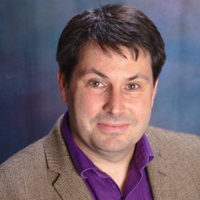 Jonathan Mugan (Linkedin), Principal Scientist at De Umbra, is a researcher specializing in artificial intelligence, machine learning, and natural language processing. His current research focuses in the area of deep learning for natural language generation and understanding. Dr. Mugan received his Ph.D. in Computer Science from the University of Texas at Austin. His thesis was centered in developmental robotics, which is an area of research that seeks to understand how robots can learn about the world in the same way that human children do. Dr. Mugan also held a post-doctoral position at Carnegie Mellon University, where he worked at the intersection of machine learning and human-computer interaction. One of the most requested speakers at the Data Day Texas conferences, he recently also spoke on the topic of NLP at the O’Reilly AI conference, and is the creator of the O’Reilly video course Natural Language Text Processing with Python. Dr. Mugan is also the author of The Curiosity Cycle: Preparing Your Child for the Ongoing Technological Explosion.
Jonathan will be presenting the following Data Day Texas session:
LLMs Expand Computer Programs by Adding Judgment
Prashanth Rao (Toronto)
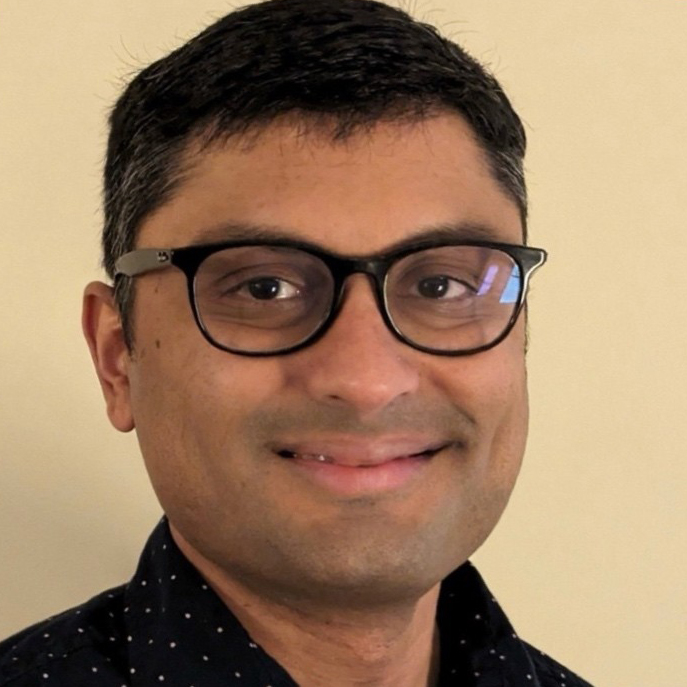
In recent years, Prashanth has worked on a variety of data engineering, data science, and machine learning problems and has thought deeply about databases and data modeling paradigms. He has two master's degrees: one in Aerospace engineering from the University of Michigan, and another in Computer Science from Simon Fraser University in Vancouver. Prashanth’s primary interests include Natural Language Processing (NLP), information extraction, graph theory and database systems. In his spare time, Prashanth enjoys hiking, biking, trying out new cuisines, engaging with the AI developer community, and blogging about all things data at thedataquarry.com. Check out his most recent blog post, Why I'm excited to work at LanceDB.
Tim Berglund (Mountain View) @tlberglund
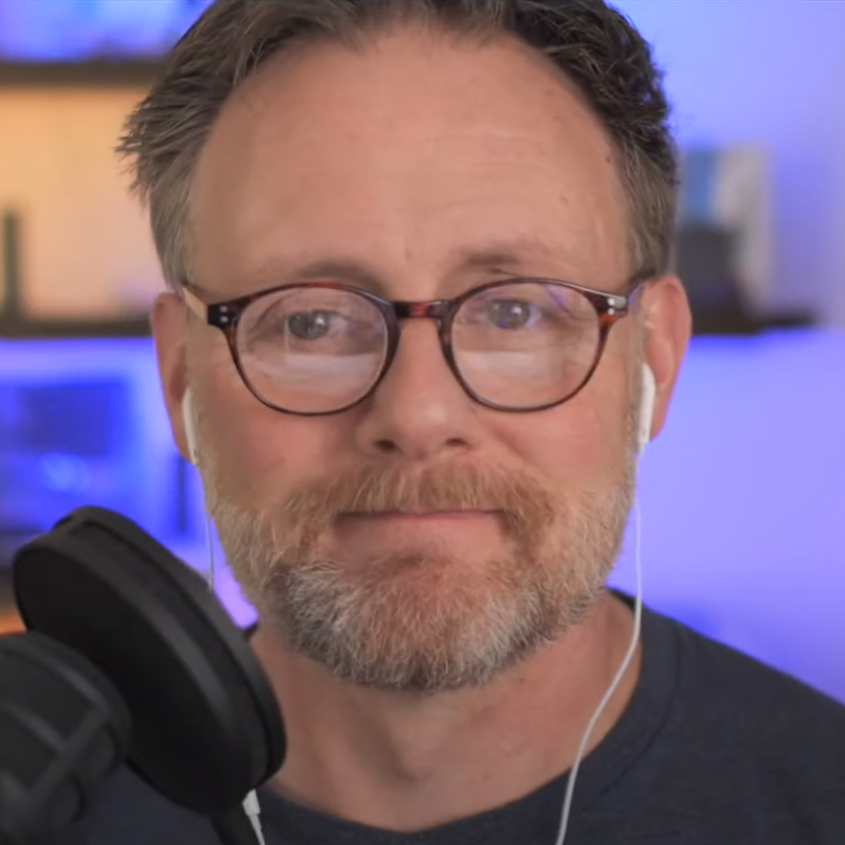 Tim Berglund
Tim will be presenting the following Saturday Data Day Texas session:
Streams of Future Past
Casey O'Neill (Denver)
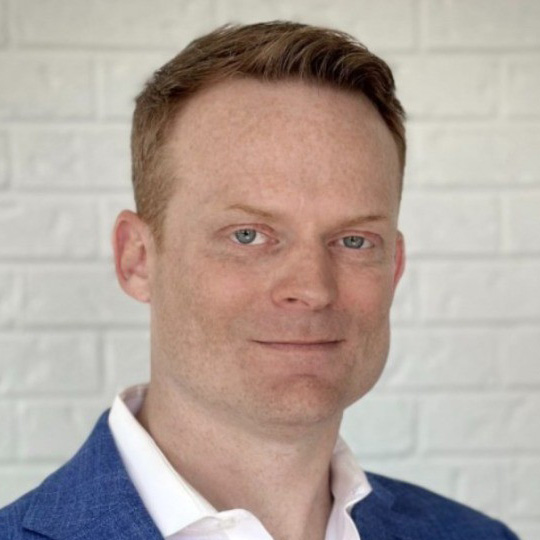 Casey O'Neill (Linkedin) is the Executive Vice President of AI & Engineering at Sequentum. Casey brings nearly two decades of expertise in software development, data analytics and enterprise solutions. Since joining Sequentum, Casey has led the AI and engineering team in delivering innovative, high-performance solutions that are the foundation of the groundbreaking Sequentum Cloud platform.
Casey has a proven track record of success in leadership, entrepreneurial ventures and product development. Earlier in his career he founded Barreled, an innovative online community and app platform that utilized data analytics to provide insights for whiskey enthusiasts and industry experts. Following this success, he founded Altitude Development Group, a consulting firm specializing in enterprise-grade data acquisition, analytics, and high-availability web services.
Casey will be co-presenting the following Saturday Data Day Texas session:
Web Scraping's 25-Year War: From HTML Parsing to AI That Builds Itself
Jans Aasman (SF Bay)
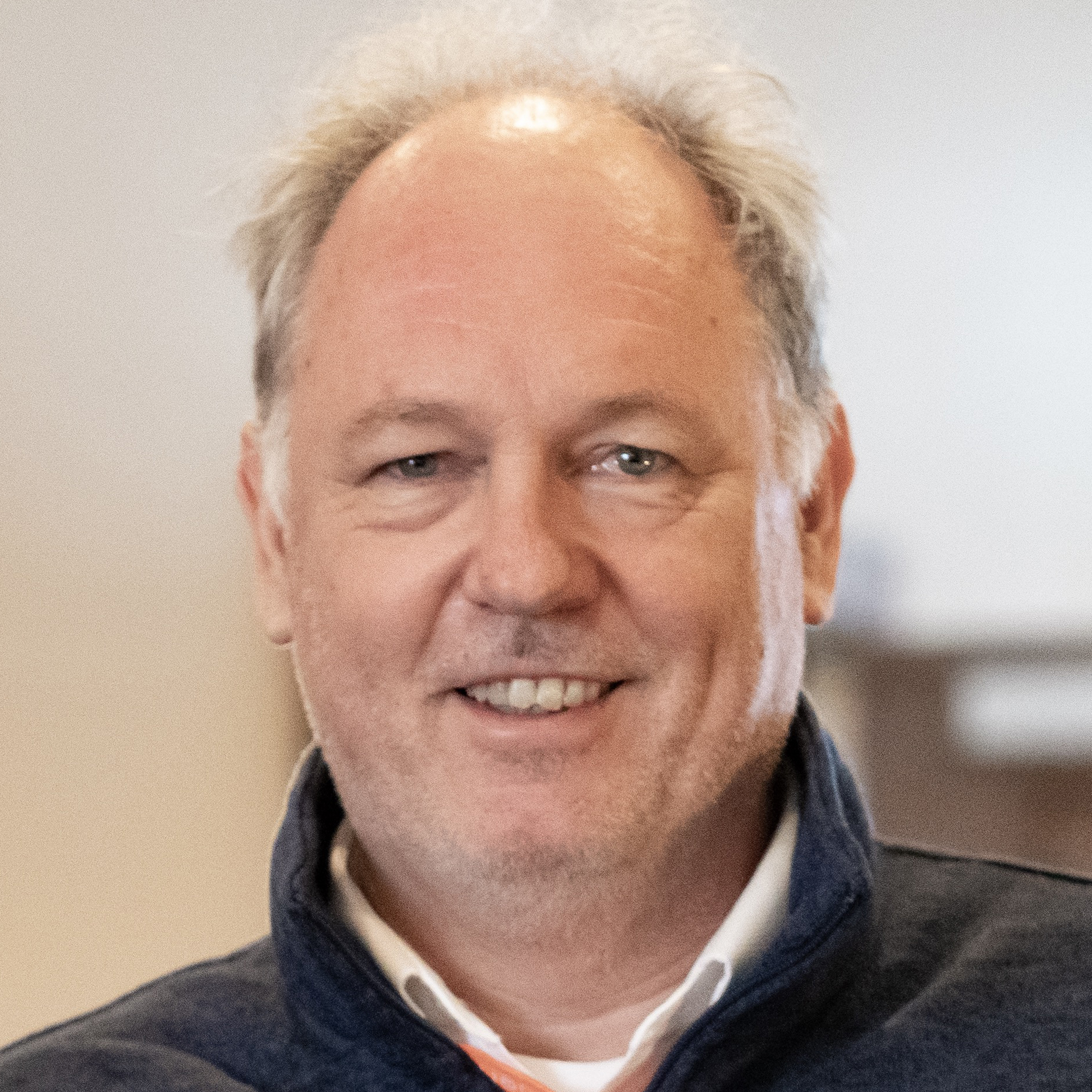 Jans Aasman (Wikipedia / LinkedIn) is a Ph.D. psychologist and expert in Cognitive Science - as well as CEO of Franz Inc., an early innovator in Artificial Intelligence and provider of the graph database, AllegroGraph. As both a scientist and CEO, Dr. Aasman continues to break ground in the areas of Artificial Intelligence and Knowledge Graphs as he works hand-in- hand with numerous Fortune 500 organizations as well as US and Foreign governments. Dr. Aasman spent a large part of his professional life in telecommunications research, specializing in applied Artificial Intelligence projects and intelligent user interfaces. He gathered patents in the areas of speech technology, multimodal user interaction, recommendation engines while developing precursor technology for tablets and personal assistants. He was also a professor in the Industrial Design department of the Technical University of Delft. Dr. Aasman is a noted conference speaker at such events as Smart Data, NoSQL Now, International Semantic Web Conference, GeoWeb, AAAI, Enterprise Data World, Text Analytics, and TTI Vanguard to name a few.
Jans will be co-presenting the following Saturday Data Day Texas session:
The future cognitive OS uses a semantic layer knowledge graph.
Vaibhav Gupta (Seattle)
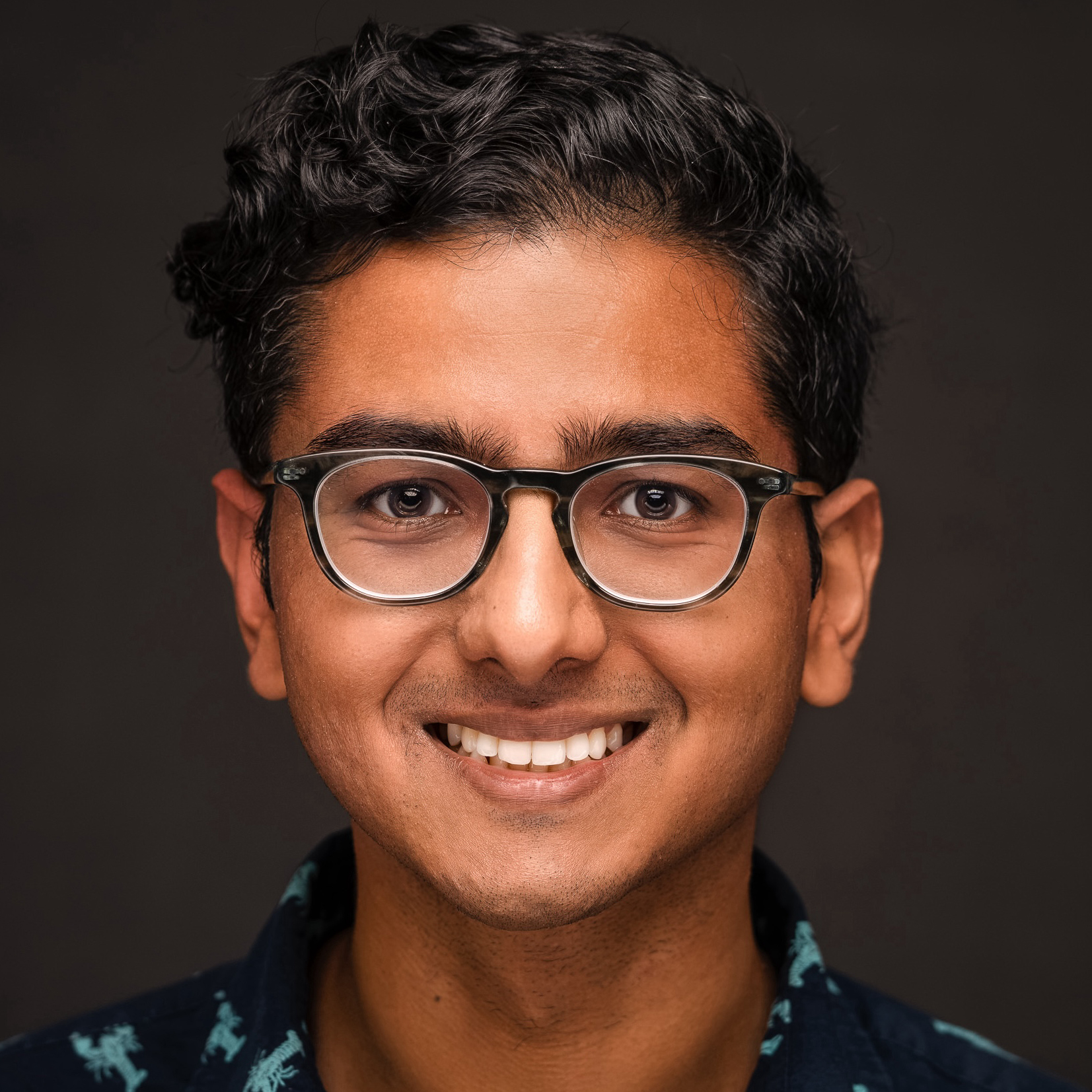 Across nearly a decade in software engineering, Vaibhav Gupta (Linkedin) has built predictive pipelines at D. E. Shaw, Augmented Reality systems at Google, and real-time 3D reconstruction at Microsoft HoloLens. His tenure at Google included leading performance optimizations for ARCore and the Pixel 4 face unlock, along with significant contributions to depth algorithms for the Pixel Visual Core. He also founded LifePlusPlus, a computer science bootcamp for non-traditional tech hires.
Currently, Vaibhav is CEO and Co-Founder of Boundary, (YC W23), creator of BAML - the first domain-specific programming language designed specifically for structured data extraction from LLMs. BAML achieves state-of-the-art results in function-calling with GPT 3.5 over all other models and techniques, including OpenAI's new strict structured outputs. What makes BAML revolutionary is its Schema-Aligned Parsing (SAP) algorithm - instead of constraining LLM outputs upfront (which often fails), BAML fixes broken JSON like trailing commas, unquoted keys, unescaped quotes, new lines, and even fractions in milliseconds post-generation, making cheaper models perform like expensive ones.
Vaibhav holds a BS in Computer Science and Electrical Engineering from UT Austin.
Vaibhav will be co-presenting the following Saturday Data Day Texas session:
Building a new programming language in 2026 - A BAML AMA Session with Vaibhav Gupta
Data Day Texas 2026 is made possible by the generosity of our Patrons and Partners.
These organizations support the data community by making Data Day Texas accessible to practitioners at all career stages.